

Artificial sports surfaces have evolved significantly over the years, with 3G and 4G pitches representing two different approaches to modern synthetic sports turf.
In general, 3G pitches use long-pile synthetic turf with sand and performance infill, while 4G systems are designed to eliminate the need for infill. This fundamental difference affects how the two systems are constructed, how they are maintained and how they deliver playing performance.
In this guide, we’ll explain what 3G and 4G pitches are, how they are constructed, the key differences between them, and what to consider when choosing a system for your project.
In this article:
What Is a 3G Pitch?
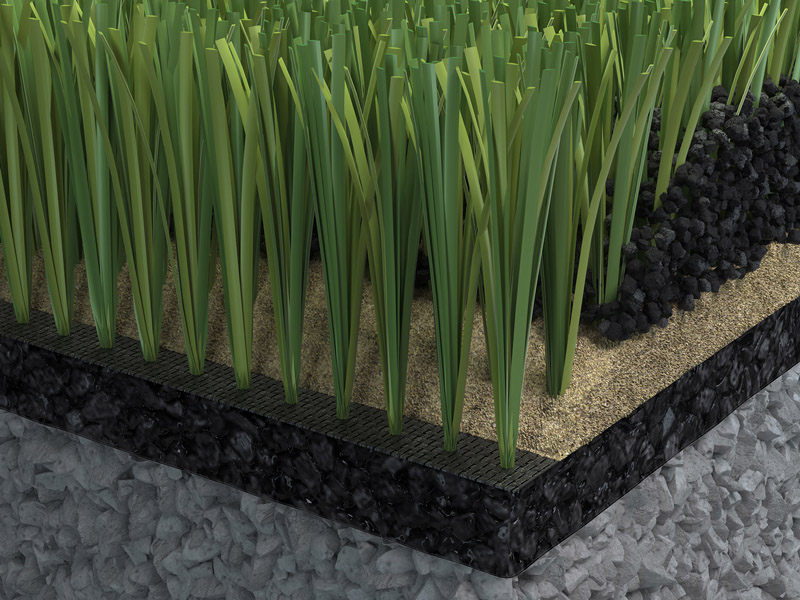
3G stands for third generation and refers to a type of long-pile synthetic sports surface developed to provide playing characteristics closer to natural grass. It is widely used for football and rugby, as well as other field sports that require consistent ball behaviour, player traction and surface durability.
A typical 3G pitch combines long synthetic turf fibers with sand and performance infill. The infill supports the turf fibers, helps provide stability and contributes to the surface’s playing characteristics. Depending on the system, a shockpad may be installed beneath the turf to provide additional cushioning and support specific performance requirements.
Different 3G systems can vary in fiber design, pile height, infill materials and supporting construction depending on the sport, level of play and performance requirements.
What Is a 4G Pitch?
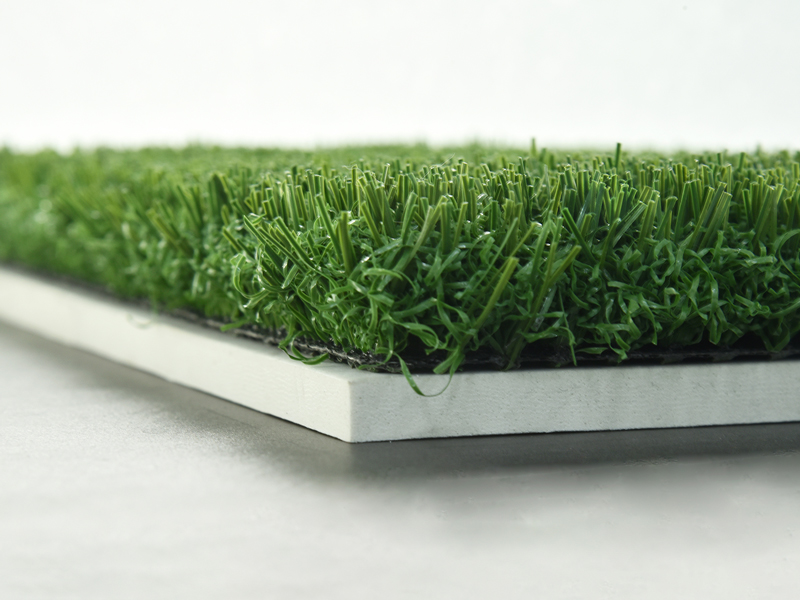
4G stands for fourth generation and is commonly used to describe newer synthetic sports surfaces designed to eliminate the need for traditional infill. Unlike 3G pitches, which use sand and performance infill, 4G systems are designed to achieve surface stability and playing characteristics through the structure of the synthetic turf.
Without infill, the yarn structure and density of the turf become particularly important to the performance of the surface. For example, CCGrass LEAP creates a non-infill structure using durable straight yarns combined with double-layered curly yarns, without sand or performance infill.
4G technology is still an evolving category, and different systems may vary in their fiber design and construction. The specific turf system and its verified performance should therefore be considered when evaluating a 4G pitch.
Key Differences Between 3G and 4G Pitches
While both 3G and 4G pitches use synthetic turf, they take different approaches to surface construction and performance. The key differences are summarized below.
| Feature | 3G Pitch | 4G Pitch |
| Turf structure | Long-pile synthetic turf | Shorter-pile, dense synthetic turf |
| Infill | Sand and performance infill | No sand or performance infill |
| Surface stability | Supported by the complete turf system, including infill and supporting components | Primarily achieved through fiber structure, density and carpet construction |
| Playing characteristics | Consistent ball roll, traction and player interaction | Consistent ball and player interaction |
| Routine maintenance | Regular grooming, cleaning and infill management | Regular brushing and cleaning, without infill management |
| Certification | Established FIFA and World Rugby certification programmes | No dedicated 4G certification category under FIFA or World Rugby |
| Best suited for | Football, rugby, American football and more | Football and recreational sports applications |
| Technology | Mature and widely established | Newer and still evolving |
Infill and Surface Construction
In a 3G system, sand and performance infill are integral parts of the playing surface. They help support the fibers, stabilize the carpet and contribute to player-surface interaction. The performance of the complete system depends on the turf, infill and supporting components working together.
A 4G system eliminates the need for sand and performance infill. Instead, fiber structure, density and overall carpet construction play a greater role in creating the desired surface characteristics. This also removes the need for infill-related management.
Maintenance Requirements
The difference in construction also affects maintenance.
3G pitches require regular grooming and infill management to keep the fibers upright, maintain even infill distribution and preserve consistent playing characteristics. Infill may also need to be topped up or professionally decompacted over the life of the pitch.
A non-infill 4G system does not require these infill-related tasks. However, no infill does not mean no maintenance. Regular brushing, cleaning and inspection are still important to keep the turf performing as intended.
Performance and Certification
3G systems have a well-established testing and certification framework. FIFA’s Football Turf Quality Programme evaluates artificial football turf through laboratory and field testing, with FIFA Quality and FIFA Quality Pro marks awarded to pitches that meet the relevant requirements.
For rugby, artificial turf fields must comply with World Rugby Regulation 22 for use in rugby, with the surface tested both as a product and after installation.
4G systems are not currently covered by dedicated FIFA or World Rugby certification programmes. However, individual non-infill systems can still undergo performance testing against relevant criteria.
Are 3G Pitches Better Than 4G Pitches?
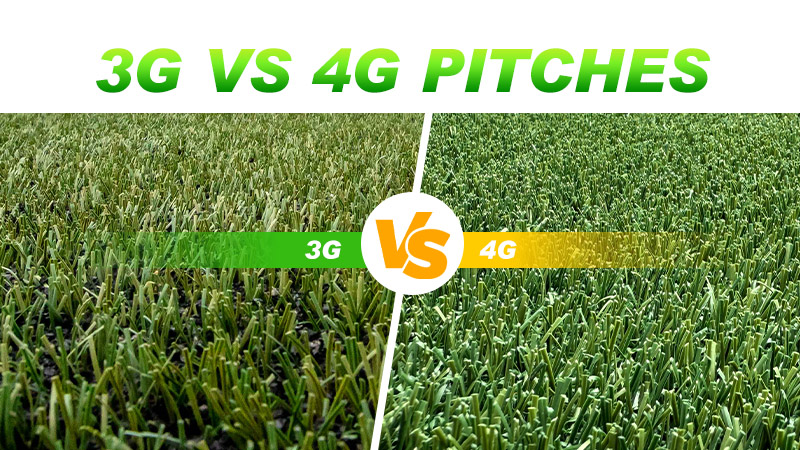
Neither is universally better. The right choice depends on the sport, level of play, expected usage and performance requirements of the pitch.
For football and rugby, 3G remains the more widely used and established option. It is the established route for projects that require recognised certification or governing-body compliance, including FIFA-certified football pitches and rugby surfaces meeting World Rugby requirements. Its proven system structure also makes 3G suitable for a wide range of training, competition and community applications.
A 4G system may be worth considering when a non-infill surface is preferred. By eliminating sand and performance infill, it can reduce infill-related routine maintenance and offer a different approach to surface construction. Its suitability, however, should be assessed against the intended sport, playing requirements and available performance testing.
In practical terms, 3G is the safer choice when certification and established performance standards are essential. Where these are not required, a suitable 4G system can be considered if its construction and tested performance match the needs of the project.
Frequently Asked Questions
What Sports Can You Play on a 3G Pitch?
3G pitches are primarily used for football and rugby, as well as other field sports that require a long-pile synthetic surface. The exact suitability depends on the turf system, pile height and performance requirements of the sport.
What Is a 3G Pitch Made Of?
A 3G pitch is a complete playing system made up of long-pile synthetic turf, sand and performance infill, with a shockpad sometimes installed beneath the turf depending on the system and performance requirements.
- Synthetic turf: Typically long-pile turf, with football systems commonly around 40–60 mm.
- Sand and performance infill: Help support the fibers, stabilize the surface and provide the required playing characteristics.
- Shockpad: May be used to provide additional cushioning and help the system meet specific performance requirements.
The exact construction varies by sport, system design and level of play.
Are 4G Pitches Allowed in Competitive Football?
4G pitches are not currently recognised under the FIFA Quality Programme for certified football pitches. This means they are not currently an option where a competition specifically requires a FIFA-certified football field. Whether a 4G surface can be used in other competitive matches depends on the rules of the relevant competition or governing body.
Can You Wear Football Boots on a 4G Pitch?
Yes, football boots can be worn on a 4G pitch. AG boots or suitable moulded-stud boots are generally appropriate for artificial surfaces, but players should follow the pitch operator’s footwear recommendations.
Avoid footwear with excessively long or aggressive studs, which can increase surface stress and may not be permitted by the facility.
Can You Wear FG Boots on a 3G Pitch?
FG boots can be suitable on some 3G pitches, particularly where the turf manufacturer or facility permits their use. However, AG boots are specifically designed for artificial ground and are often the preferred choice for 3G surfaces.
The suitability of FG boots depends on factors such as stud shape, stud length and the specific turf system. Players should check the pitch operator’s footwear requirements before playing.
How Long Do 3G Pitches Last?
A well-designed and properly maintained 3G pitch can typically last around 8–12 years or longer, depending on factors such as usage, climate, maintenance and installation quality.
Conclusion
3G and 4G represent different approaches to modern synthetic sports surfaces, and the right choice ultimately depends on the needs of each project.
At CCGrass, we continue to advance both sides of the technology. Our 3G portfolio includes a wide range of FIFA-tested football turf systems and World Rugby-compliant systems, while LEAP brings an innovative non-infill approach to modern sports surfaces.
Explore CCGrass sports turf solutions and find the right surface for your next project.