

Yes, FIFA allows artificial turf.
Although the FIFA World Cup is played on natural or hybrid grass surfaces, FIFA permits artificial turf systems that meet the requirements of its FIFA Quality Programme. These certified football turf systems are used worldwide in football academies, schools, community facilities, training grounds, and regions where maintaining natural grass can be challenging.
As football continues to grow globally, FIFA-certified artificial turf plays an important role in expanding access to the game while maintaining standards for safety and performance.
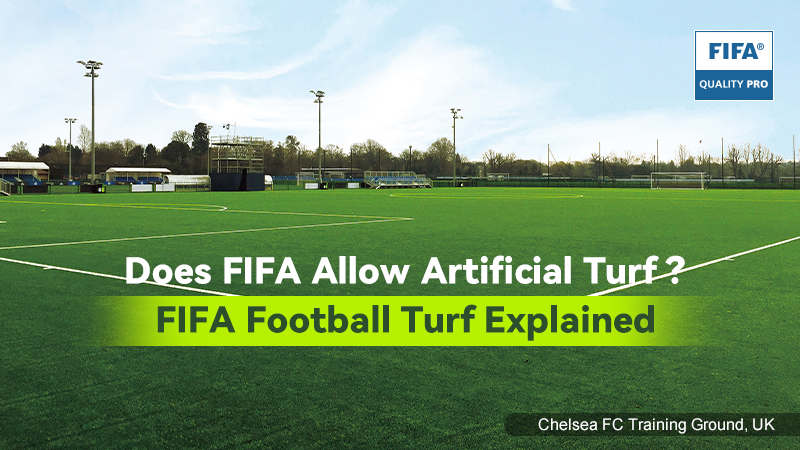
Does FIFA Use Artificial Turf in the World Cup?
Not for the men’s FIFA World Cup.
Recent FIFA World Cups have been played on natural grass or hybrid grass systems. Hybrid grass combines natural grass with synthetic fibers to improve durability while preserving the playing characteristics preferred at the highest levels of the sport.
However, FIFA’s position on artificial grass is often misunderstood. While elite tournaments typically use natural or hybrid grass, FIFA fully supports the use of certified football turf in many other football environments.
One of the most notable examples was the 2015 FIFA Women’s World Cup in Canada, where all matches were played on artificial turf. FIFA-certified football turf is also commonly used for training facilities, community pitches, and football development projects in regions with challenging climates.
Rather than replacing natural grass, artificial turf helps make football accessible in locations where maintaining high-quality grass pitches may not be practical.
What Is FIFA Football Turf?
Many people assume FIFA Football Turf refers to a specific artificial grass product. In reality, it is a term commonly used to describe football turf systems that comply with FIFA’s Quality Programme.
A FIFA Football Turf system consists of more than just the turf surface itself. Multiple components work together to deliver consistent football performance, including:
- Artificial grass surface
- Infill materials
- Shock pad(optional)
- Base construction
- Drainage system
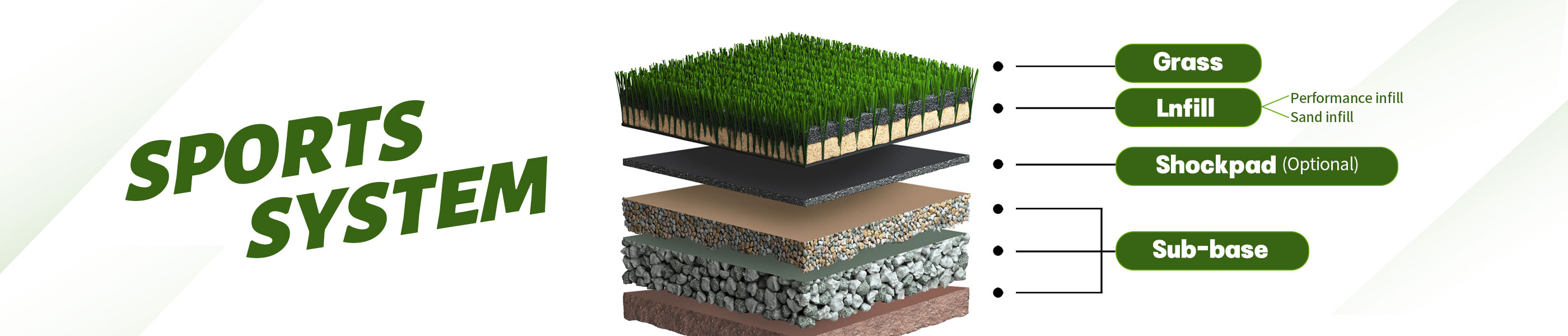
FIFA certification may apply to both football turf products and completed field installations. While approved products must meet FIFA’s technical requirements, installed pitches are also tested to verify their on-field performance.
How Does FIFA Certify Artificial Turf?
To ensure that artificial turf provides a suitable playing experience, FIFA established the FIFA Quality Programme. The programme evaluates football turf systems through a combination of laboratory testing and field performance assessments.
Depending on the intended level of play, facilities may be certified under different FIFA standards.
FIFA Quality and FIFA Quality Pro
FIFA currently provides two primary certification levels for football turf systems.
FIFA Quality is designed for community football, schools, municipalities, and recreational facilities where durability, safety, and high usage levels are important considerations.
FIFA Quality Pro is intended for higher levels of competition and is designed to more closely replicate the playing characteristics expected in professional football.
What Is Tested?
Artificial turf systems are evaluated across several performance categories.
Ball Performance
A football surface must deliver predictable ball behaviour.
Testing typically evaluates:
- Ball roll
- Ball rebound
- Surface consistency
These factors help ensure a reliable playing experience for both training and competition.
Player Interaction
Player safety is a key component of FIFA certification.
Synthetic turf systems are assessed for characteristics such as:
- Shock absorption
- Vertical deformation
- Rotational resistance
These measurements help determine how the surface responds to player movement, impacts, and changes of direction.
Surface Durability
Football pitches are expected to maintain their performance over time.
Testing also considers:
- Wear resistance
- Surface stability
- Long-term performance consistency
This is particularly important for facilities that experience intensive daily use.
Where Is FIFA Football Turf Used?
Although natural grass remains the preferred surface for many elite international competitions, FIFA-certified turf plays an important role throughout the football ecosystem.
Football Development in Challenging Climates
Not every region has the climate required to maintain high-quality natural grass year-round.
In areas with long winters, heavy rainfall, water shortages, or limited growing seasons, artificial turf often provides a more practical solution for football development. This is one reason FIFA supports certified football turf systems in a wide range of climates around the world.
Training Grounds and High-Use Facilities
For many football organisations, field usage is the biggest challenge.
Natural grass pitches often require recovery time after intensive use, while artificial turf can support significantly more playing hours with consistent playing conditions.
As a result, FIFA-certified football turf is widely used for:
- Football academies
- Professional club training grounds
- Community football facilities
- School and university sports fields
Why Do Many Facilities Choose FIFA Football Turf?
For facility owners, the decision is often based on operational needs rather than professional tournament requirements.
Higher Playing Capacity
A major advantage of artificial grass is its ability to accommodate substantially more playing hours than natural grass.
This makes it particularly valuable for academies, schools, municipalities, and commercial football facilities that host multiple users throughout the week.
More Consistent Field Availability
Weather conditions, seasonal changes, and recovery periods can all affect natural grass performance.
Artificial turf helps provide a more consistent playing surface throughout the year, reducing downtime and increasing field availability.
Reduced Maintenance Requirements
While synthetic turf still requires routine maintenance, it eliminates many of the ongoing tasks associated with natural grass, including mowing, irrigation, fertilisation, and reseeding.
For many facility operators, this can simplify long-term field management and reduce maintenance resources.
FIFA Football Turf vs Natural Grass
Both surface types play important roles in modern football, but they serve different needs.
| Factor | FIFA Football Turf | Natural Grass |
| Playing Capacity | High | Moderate |
| Maintenance Requirements | Lower | Higher |
| Weather Resistance | Strong | Moderate |
| Surface Consistency | High | Variable |
| Recovery Time | Minimal | Required |
| Typical Use | Training, community and high-use facilities | Elite stadiums and professional competitions |
Natural grass remains the preferred surface for football’s biggest events, while FIFA-certified football turf helps expand access to the game in environments where durability, usage capacity, and year-round availability are priorities.
If you’re evaluating surface options for a football facility, our article on natural vs. artificial football turf explores the key differences in performance, maintenance, durability, and long-term costs.
What Does FIFA Certification Mean for Facility Owners?
For organisations planning a new football pitch, FIFA certification provides an independent benchmark for performance and quality.
A FIFA-certified system has been tested against internationally recognised standards for ball behaviour, player interaction, durability, and safety.
However, certification is not simply about selecting a certified turf product. The overall pitch design, installation quality, drainage system, and supporting construction layers all contribute to the final performance of the field.
Understanding these factors can help facility owners make more informed decisions when evaluating football turf solutions.
Conclusion
While natural grass remains the preferred surface for elite competitions such as the FIFA World Cup, FIFA-certified artificial turf plays an important role in football development worldwide.
From academies and schools to community and municipal facilities, FIFA Football Turf provides a practical solution for delivering safe, durable, and consistent playing conditions.
As a FIFA Preferred Provider, CCGrass has contributed to over 500 FIFA-certified football turf projects worldwide.
Explore our FIFA Football Turf solutions or contact our team to discuss your football pitch project.