

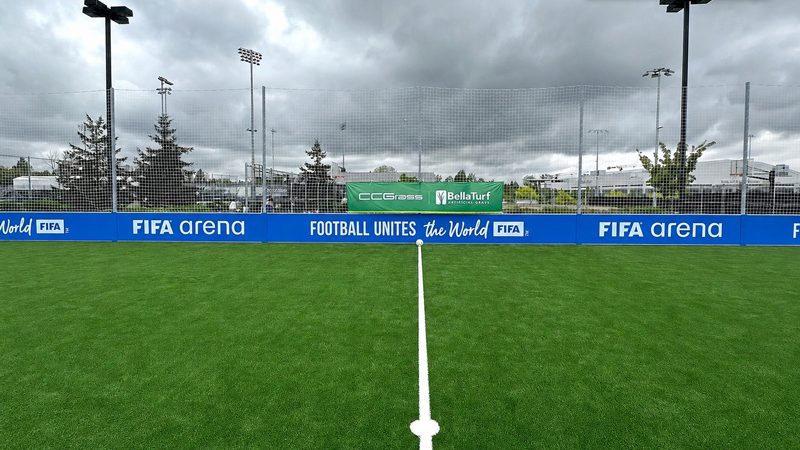
CCGrass Delivers Canada’s First FIFA Arena Pitch
CCGrass completes the first FIFA Arena pitch in Canada using the LEAP non-infill turf system, supporting safe and accessible grassroots football infrastructure.
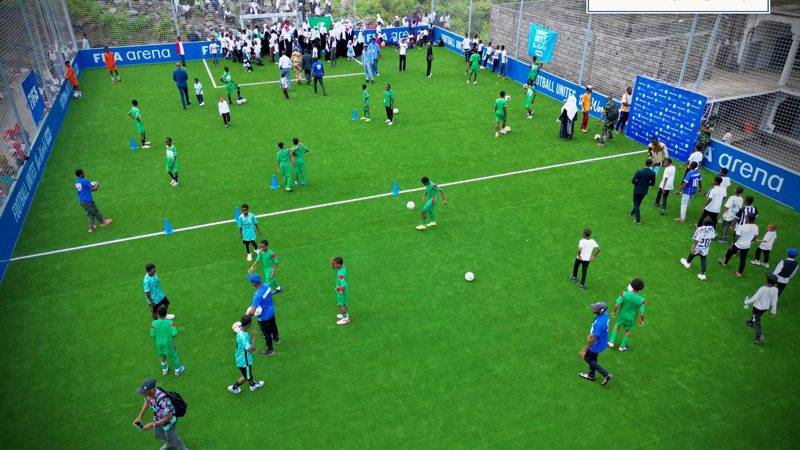
CCGrass Expands FIFA Arena Project Footprint to Africa with New Pitches in Comoros
CCGrass completes two FIFA Arena mini-pitches in Comoros as part of the global initiative to expand access to safe and inclusive grassroots football facilities.
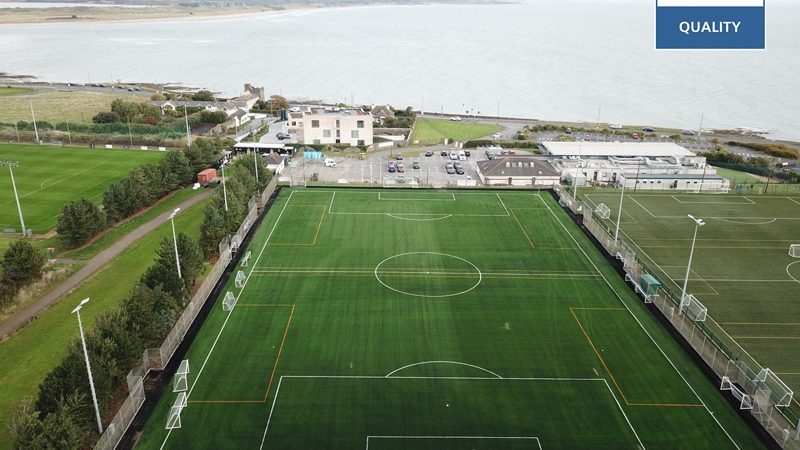
Malahide United FC Upgrades to FIFA Quality Pitch, Selected as UEFA Euro 2028 Training Ground
A FIFA Quality–certified artificial turf pitch at Malahide United FC in Ireland has been selected as a training ground for UEFA Euro 2028, built to the latest FIFA Test Manual 2024 standards.
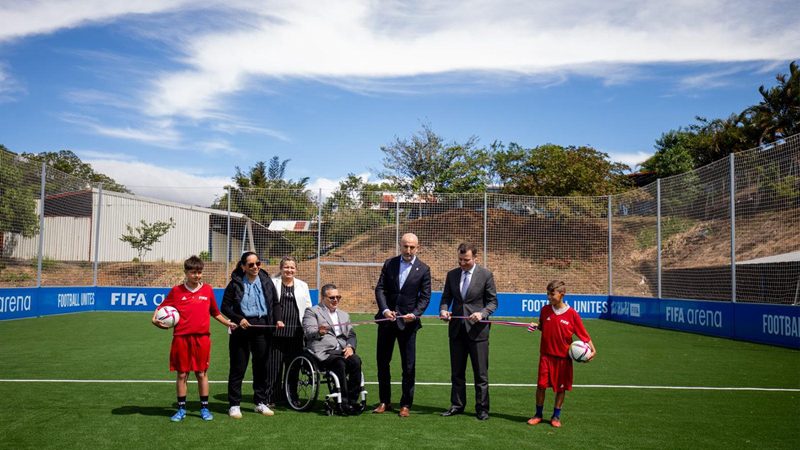
CCGrass Expands the FIFA Arena Project to Latin America with First Pitch in Costa Rica
CCGrass expands its FIFA Arena project to Latin America with a new high-quality football pitch in Costa Rica. Explore our FIFA certified synthetic turf solutions.
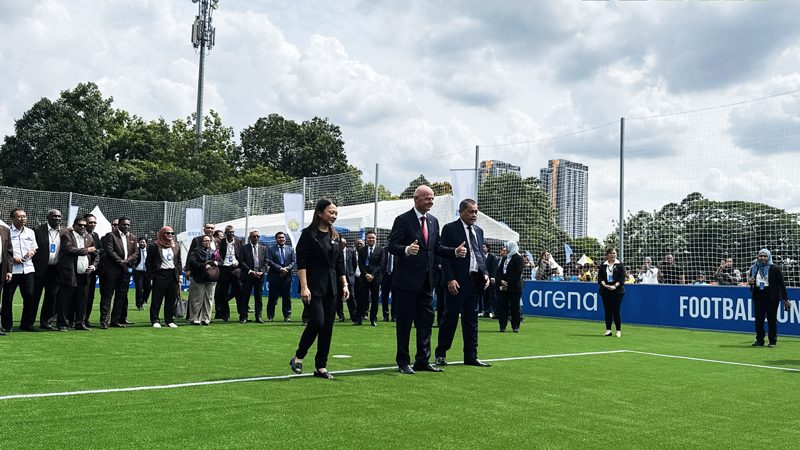
CCGrass Supports FIFA Arena Project in Malaysia, Inaugurated by FIFA Chairman
CCGrass, a global leader in artificial turf solutions, was proud to serve as the official supplier for a significant FIFA Arena Project at Sekolah Kebangsaan Sri Kelana in Malaysia. The project, which features our advanced Leap infill-free artificial turf, was officially inaugurated on the 26th. The attendance of the FIFA Chairman at the ceremony […]
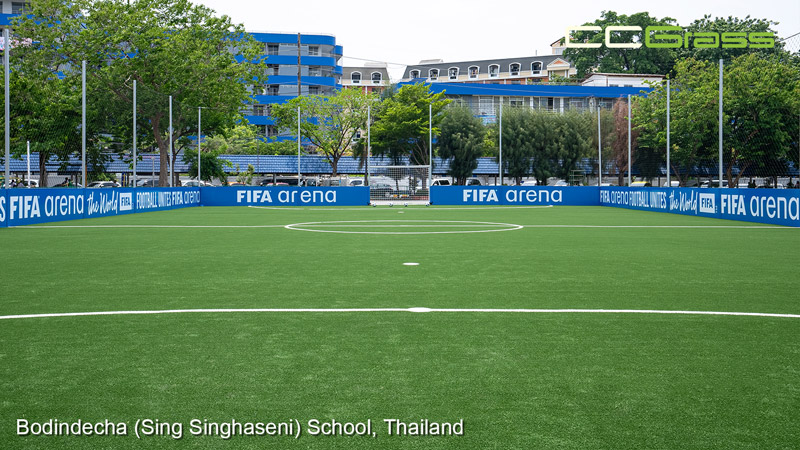
CCGrass Leap Turf Installed in Asia’s First FIFA Arena Project Pitch
CCGrass, the world’s leading artificial grass manufacturer, is honored to support the installation in Thailand’s first FIFA Arena Project pitch.